By Eric Lian from EasyStore
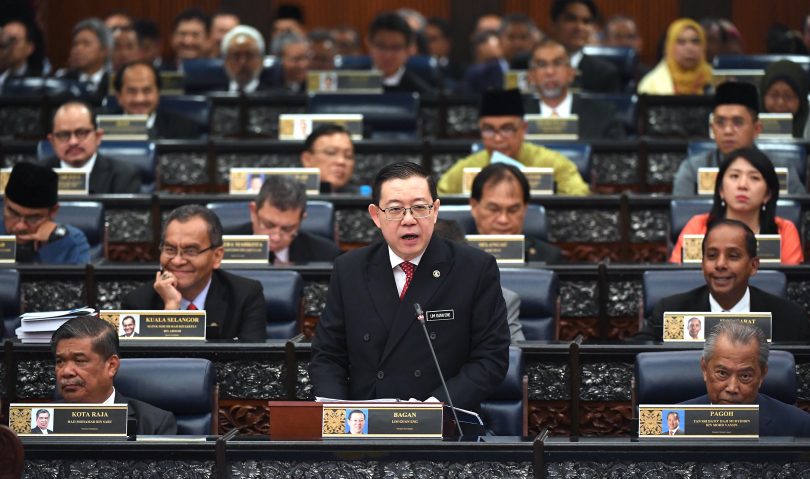
On October 11th, 2019, Lim Guan Eng, Malaysia’s Minister of Finance, has announced Malaysia’s budget plan for 2020. According to the announcement, a total of RM 10 million will be allocated for ecommerce training. As an ecommerce platform solution provider, we are in joy to hear that as this budget will greatly improve Malaysia’s adoption to ecommerce related sectors, boosting both online buyers and sellers values.
Besides that, there are also budget allocations to build a digital society in Malaysia. We can foresee that the budget allocation will impact the ecommerce industry in the future. Let’s take a look.
1. Promote eWallet
The minister has announced that all Malaysians aged 18 will be able to get a one-off payment of RM 30 via their eWallet. In hope to increase the Malaysian’s adoption rate towards digital payments, this incentive will serve as a digital stimulus to help speed up the digital society transformation.
2. Digitalise SMEs
The government will issue a grant of RM 5000 as the express to build a Digital Malaysia, and to onboard start-ups and SMEs to better digitalise their operations with ERP (Enterprise Resource Planning) and e-POS (Electronic Point of Sales). This allocation will only be available for a period of 5 years and is limited to the first 100,000 start-ups and SMEs that apply to upgrade their business.
3. Improve Ecommerce
An allocation of RM 10 million to MDEC is to be seen in order to improve ecommerce in Malaysia. The budget is to equip online sellers in an effort to improve in e-Marketplaces and social media platforms.
4. Incentivize Women Entrepreneurs
A total of RM 500 million will be guaranteed for women entrepreneurs. According to Lim, the majority of online start-ups in Malaysia are made up of women. A report states that 100 of these start-ups have managed to achieve a revenue of RM 23 million in total, in the span of 6 months.
5. Build 5G Ecosystem
As the government’s standpoint to support the develop 5G ecosystem in Malaysia, a total of RM 50 million will be allocated to build this ecosystem. Half of the budget will be allocated to promote digital application pilot projects for fibre optics and 5G infrastructure. With this, we can foresee more stable transactions online together with the increasing adoption of digital payment in the future of ecommerce.
6. Expand Internet Access
A total of RM 250 million will be allocated to provide broadband access to interior areas of Malaysia. The purpose is to enhance the connectivity in the interior areas, especially in Sabah and Sarawak. This effort provides a chance for more Malaysia’s citizens to get online with the internet, and creating more opportunities for ecommerce industry.
7. Digital Tax
The tax of 6% will be incurred to foreign service providers to ensure the level of playing field in the digital economy in Malaysia. This is purportedly to protect local ecommerce sellers in their fields, as well as generating more income for the Malaysian government from foreign businesses.
Conclusion
Undoubtedly, there are many other budgets. Nonetheless, we believe the mentioned points above will show significant contributions and progress in Malaysia’s transformation to the digital age for start-ups and SMEs to sell online.